As industrial Ethernet becomes more prevalent on the manufacturing floor it is increasingly being considered as a universal networking solution. While the capability of Ethernet has been proven acceptable in high level manufacturing environments, issues of Ethernet performance must be considered as we push this technology into domains of control, diagnostics and safety, and into applications such as I/O, motion control, fail-to-safe , and security. The University of Michigan’s Engineering Research Center for Reconfigurable Manufacturing Systems (ERC-RMS) has been exploring the applicability of Ethernet to the factory floor. Results include:
- An identification of node software performance as a dominant factor in evaluating overall Ethernet system performance.
- An quantification of the delay overhead associated with common factory Ethernet protocols such as UDP, VPN and OPC for data transport, security and diagnostics respectively.
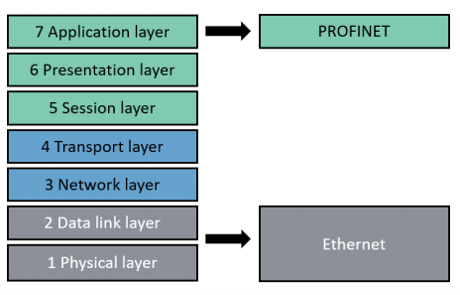
- A comparative evaluation of common industrial Ethernet protocols of EtherNet/IP and PROFINET
- Development of a cost-based evaluation methodology for determining the need for partitioning of networks across functionalities of control, diagnostics and (especially) safety
This presentation explores the results achieved in the investigation of industrial Ethernet at the ERC-RMS and identifies key factors that should be considered in evaluating industrial Ethernet performance.
Copyright © 2006 NSF Engineering Research Center for Reconfigurable Manufacturing Systems College of Engineering, University of Michigan. All rights reserved
Please complete the form to view this content.